A Beginner’s Guide to Building a Simple Skincare Routine

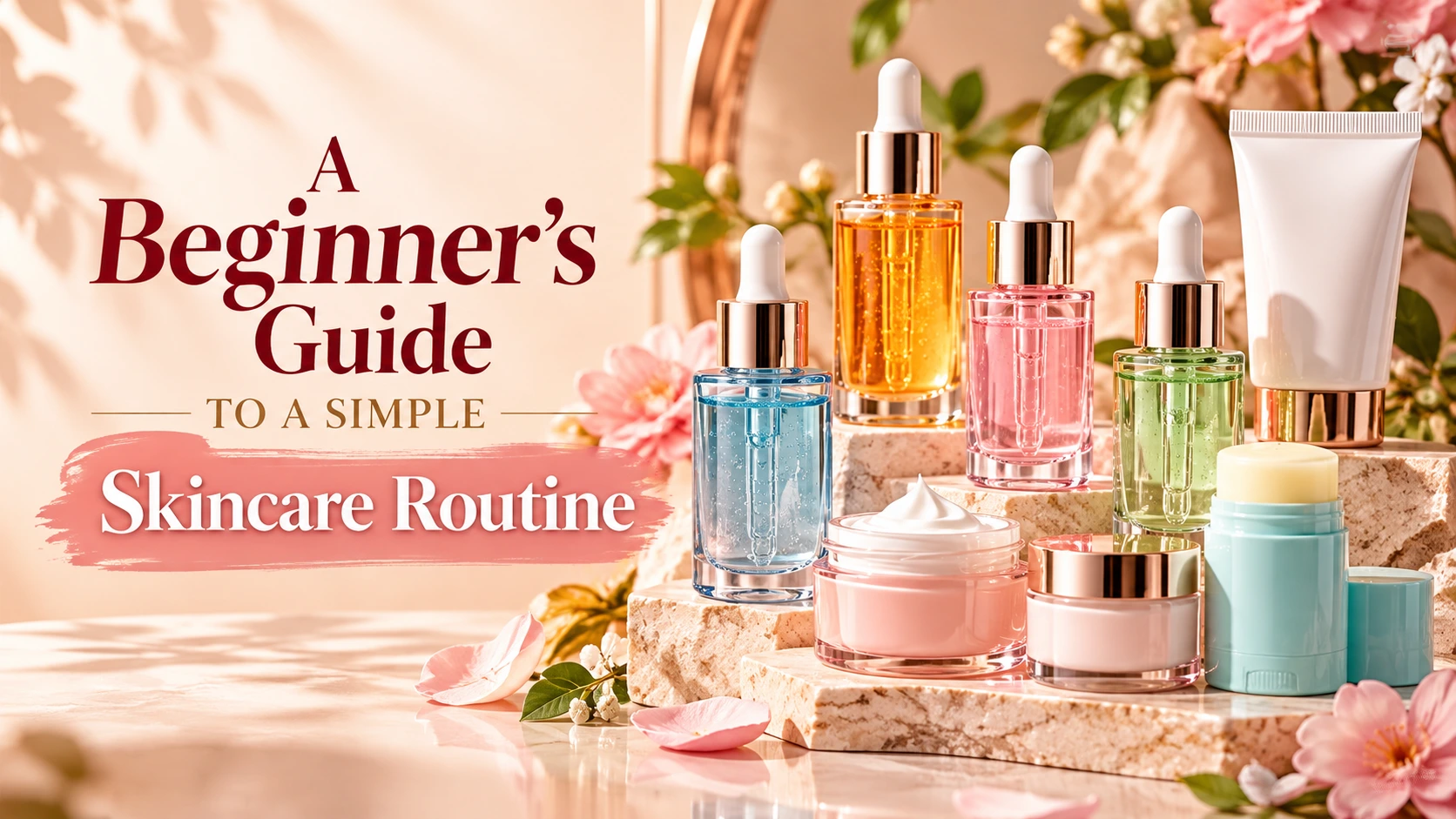
Taking care of your skin does not have to involve dozens of products or a complicated beauty routine. In fact, a simple, consistent skincare routine can be an excellent starting point for healthier-looking skin. Whether you want to maintain hydration, improve the appearance of uneven skin tone, or keep your complexion looking fresh, understanding the basics can help you make better skincare choices.
For beginners, the most important steps are cleansing, moisturizing, and protecting your skin from the sun. Once you understand these essentials, you can gradually introduce serums and other targeted products based on your individual needs.
In this beginner-friendly guide, we will explain how to build a simple skincare routine, which products to use, the correct order of application, and how to choose products that suit your skin type.
1. Understand Your Skin Type First
Before buying skincare products, it is helpful to understand your skin type. Different skin types have different needs, and choosing suitable products can make your routine more comfortable and effective.
Normal Skin
Normal skin generally feels comfortable without excessive oiliness or dryness. If this describes your skin, focus on maintaining hydration and protecting your skin barrier with a gentle cleanser, moisturizer, and sunscreen.
Dry Skin
Dry skin may feel tight, rough, or flaky, especially after cleansing. Look for gentle cleansers and moisturizers containing ingredients such as glycerin, ceramides, or hyaluronic acid.
Cream-based moisturizers may be more comfortable than lightweight gels if your skin needs additional moisture.
Oily Skin
Oily skin tends to produce excess sebum, which can make the face look shiny throughout the day. A gentle cleanser and lightweight, non-comedogenic moisturizer can help support your skin without adding an unnecessarily heavy feel.
Avoid aggressively washing your face or skipping moisturizer, as these habits can irritate the skin.
Combination Skin
Combination skin typically has oilier areas, particularly around the forehead, nose, and chin, alongside normal or dry areas elsewhere.
A balanced routine with a gentle cleanser, a suitable moisturizer, and sunscreen is a practical starting point. You can adjust the amount or texture of moisturizer depending on the needs of different areas.
Sensitive Skin
Sensitive skin may react to certain ingredients with redness, itching, burning, or irritation. Choose gentle, fragrance-free products when possible and introduce new products gradually.
If irritation is persistent or severe, consult a qualified dermatologist rather than continually experimenting with new products.
Remember: Skin type can change with weather, age, hormones, and other factors. Choose products based on how your skin behaves rather than relying only on product labels.
2. Step One: Cleanse Your Face
A cleanser removes excess oil, sweat, dirt, sunscreen, and makeup from your skin. It is the foundation of a basic skincare routine.
Choose a gentle cleanser that suits your skin type. Cream or lotion cleansers may feel more comfortable for dry skin, while lightweight gel cleansers can work well for many people with oily or combination skin.
How to Cleanse Correctly
- Wet your face with lukewarm water.
- Apply a small amount of cleanser.
- Gently massage it over your skin without scrubbing aggressively.
- Rinse thoroughly.
- Pat your face dry with a clean, soft towel.
Most people benefit from cleansing in the evening to remove the day’s buildup. In the morning, you can use a gentle cleanser or simply rinse with water if your skin is dry or sensitive and does not need another full cleanse.
Avoid very hot water, harsh scrubs, and cleansers that consistently leave your skin feeling tight or uncomfortable.
3. Step Two: Apply a Serum for Your Skin Concerns
A serum is a skincare product formulated to deliver specific ingredients to the skin. Depending on its ingredients, a serum may help support hydration, improve the appearance of uneven skin tone, or address other cosmetic concerns.
You do not need a serum to establish a basic skincare routine. However, once you have the essentials in place, one well-chosen serum can be a useful addition.
Hyaluronic Acid Serum for Hydration
Hyaluronic acid is a humectant that attracts and holds water. It can help improve the appearance of skin hydration, leaving the complexion looking smoother and more supple.
It is suitable for many skin types. Apply it according to the product instructions, then follow with moisturizer to help maintain hydration.
Vitamin C Serum for Radiance
Vitamin C is an antioxidant used in skincare to help protect against environmental oxidative stress and improve the appearance of uneven skin tone.
It is often included in morning routines, although the ideal frequency depends on the formulation and your skin’s tolerance. Beginners should start gradually and discontinue use if irritation develops.
Daily sunscreen remains essential, particularly if your goal is to maintain a more even-looking complexion.
Niacinamide Serum for Balanced-Looking Skin
Niacinamide, a form of vitamin B3, can support the skin barrier and help improve the appearance of oiliness, uneven tone, and visible pores.
It is available in a variety of formulations and concentrations. A simple, well-formulated product is often a better starting point than choosing the highest concentration available.
How to Use a Serum
Follow these general steps:
- Cleanse your face.
- Apply a small amount of serum according to the label.
- Allow it to settle as directed.
- Follow with moisturizer.
Introduce one new serum at a time so you can identify how your skin responds. Avoid starting several active ingredients simultaneously, especially if your skin is sensitive.
4. Step Three: Moisturize Your Skin
Moisturizer is an essential part of a basic skincare routine. It helps reduce water loss, maintain skin comfort, and support the skin barrier.
Even if your skin is oily, moisturizer can still be beneficial. The key is choosing a formula that feels comfortable and suits your needs.
Choosing the Right Moisturizer
For dry skin: Consider richer creams containing ingredients such as ceramides, glycerin, or shea butter.
For oily skin: Try a lightweight gel or lotion labeled non-comedogenic if you prefer a less heavy finish.
For combination skin: A balanced lotion can provide hydration without feeling excessively rich.
For sensitive skin: Look for simple, fragrance-free formulations designed to support the skin barrier.
Apply moisturizer after cleansing and serum. If your skin feels dry during the day, you may need to adjust the amount or choose a more suitable formula.
Consistent moisturizing can help improve skin comfort and appearance, but it will not necessarily resolve every skin concern. Persistent acne, eczema, or other conditions may require professional advice.
5. Step Four: Apply Sunscreen Every Morning
Sunscreen is one of the most important parts of a daytime skincare routine. Ultraviolet radiation can contribute to sunburn, premature skin aging, uneven pigmentation, and skin cancer.
Choose a broad-spectrum sunscreen with SPF 30 or higher. A formula you enjoy wearing every day is more useful than one you find uncomfortable and rarely apply.
How to Apply Sunscreen
- Complete your morning skincare routine.
- Apply sunscreen as the final step before makeup.
- Use the amount recommended on the product label; for the face and exposed areas, many people apply less than they need.
- Cover commonly missed areas, including the ears and neck.
- Reapply approximately every two hours when outdoors, and after swimming, sweating, or towel drying, following the product instructions.
If you spend time near windows, work outdoors, or live in a region with strong sunlight, consistent sun protection is especially important.
Sunscreen helps protect your skin, but no sunscreen blocks all UV radiation. Hats, shade, and protective clothing can provide additional protection.
6. The Correct Order of Your Morning Skincare Routine
Knowing which product to apply first makes your routine easier to follow. For most beginners, a simple morning routine can be organized as follows.
<box gap={3}> <row align=start gap={3}> <AsyncImage query=”minimal gentle facial cleanser skincare product white background” aspectRatio=”3:4″ maxWidth=”100px”/> <box flex=”1″ gap={1}> **1. Cleanser**
  <text color="secondary" size="sm">Purpose: Remove overnight buildup and prepare your skin for the next steps.</text>
</box>
</row> <divider color=”subtle”/> <row align=start gap={3}> <AsyncImage query=”minimal glass dropper facial serum bottle skincare product neutral background” aspectRatio=”3:4″ maxWidth=”100px”/> <box flex=”1″ gap={1}> **2. Serum (optional)**
  <text color="secondary" size="sm">Purpose: Address a specific concern, such as hydration or uneven-looking skin tone.</text>
</box>
</row> <divider color=”subtle”/> <row align=start gap={3}> <AsyncImage query=”minimal white face moisturizer cream jar skincare product neutral background” aspectRatio=”3:4″ maxWidth=”100px”/> <box flex=”1″ gap={1}> **3. Moisturizer**
  <text color="secondary" size="sm">Purpose: Help maintain hydration and support the skin barrier.</text>
</box>
</row> <divider color=”subtle”/> <row align=start gap={3}> <AsyncImage query=”minimal sunscreen SPF skincare tube white beige background beauty product” aspectRatio=”3:4″ maxWidth=”100px”/> <box flex=”1″ gap={1}> **4. Sunscreen**
  <text color="secondary" size="sm">Purpose: Protect your skin from harmful ultraviolet radiation. Apply before makeup.</text>
</box>
</row> </box>
You do not need to wait several minutes between every product unless the product instructions require it. Allow each layer to settle sufficiently to avoid excessive pilling or mixing.
7. The Correct Order of Your Evening Skincare Routine
Your evening routine focuses on removing the day’s buildup and supporting your skin while you sleep.
A straightforward evening routine looks like this:
Step 1: Cleanser
Remove makeup, sunscreen, excess oil, and dirt. If you wear heavy makeup or water-resistant sunscreen, you may benefit from an appropriate first cleansing step followed by a gentle facial cleanser.
Step 2: Serum (optional)
Use a hydrating serum or another product suited to your specific skin concern. If you use an active ingredient, follow its instructions and introduce it gradually.
Step 3: Moisturizer
Finish with moisturizer to help maintain hydration overnight.
Beginners generally do not need several serums, exfoliating acids, retinoids, and other active products in the same routine. Start with the essentials before introducing more advanced ingredients.
8. Common Skincare Mistakes Beginners Should Avoid
A good skincare routine is not just about choosing the right products. It is also about avoiding habits that can irritate your skin or make your routine unnecessarily complicated.
Using Too Many Products at Once
Introducing multiple products simultaneously makes it difficult to identify which one is helping or causing irritation.
Start with cleanser, moisturizer, and sunscreen. Add one targeted product at a time when needed.
Skipping Sunscreen
Moisturizer and serum cannot replace sunscreen. Daily sun protection is important even when your skincare goals focus on hydration, radiance, or the appearance of uneven tone.
Over-Exfoliating
Frequent use of strong exfoliating acids or harsh scrubs can damage the skin barrier and lead to irritation. Beginners should avoid aggressive exfoliation and follow product-specific directions.
Choosing Products Only Because They Are Trending
A popular serum may not be suitable for your skin type or concerns. Consider ingredients, formulation, tolerability, and your actual skincare goals before purchasing a product.
Expecting Immediate Results
Hydration may improve relatively quickly, but changes in uneven tone, acne, or skin texture can take weeks or longer. Results depend on the concern, product, and consistency of use.
If a product causes persistent burning, swelling, or a rash, stop using it and seek appropriate medical advice if needed.
9. How to Build a Budget-Friendly Skincare Routine
You do not need an expensive collection of skincare products to get started. A few well-selected essentials can provide a practical foundation.
Consider prioritizing your purchases in this order:
- Gentle cleanser: Choose a product that cleans without leaving your skin uncomfortable.
- Moisturizer: Select a formula that suits your skin type and supports hydration.
- Broad-spectrum sunscreen: Prioritize SPF 30 or higher for daytime protection.
- One targeted serum: Add this only when you have identified a specific concern you want to address.
When comparing products, consider the amount of product, ingredient list, formulation, and whether you can use it consistently. More expensive products are not automatically more effective.
A simple routine that you follow regularly is often more practical than a complex routine that is difficult to maintain.
10. How Long Does It Take to See Skincare Results?
The time required to see results depends on the product and the skin concern.
- Hydration: Skin may feel more comfortable shortly after using a suitable moisturizer.
- Skin texture: Improvements may develop over several weeks with consistent, appropriate care.
- Uneven skin tone: Visible changes often take several weeks or longer, depending on the cause and treatment.
- Acne concerns: Improvement may require several weeks to a few months, and persistent acne may need professional treatment.
- Sun protection: Sunscreen helps protect your skin whenever it is applied correctly, but it does not reverse all existing sun damage.
Avoid changing your entire routine every few days. Give suitable products time to work, monitor your skin’s response, and discontinue products that cause persistent irritation.
Final Thoughts
Building a simple skincare routine is about understanding your skin’s needs and choosing products that work well together. You do not need an elaborate collection to begin taking better care of your complexion.
Start with three essentials: a gentle cleanser, a suitable moisturizer, and broad-spectrum sunscreen. Once your routine feels comfortable and consistent, consider adding a serum that addresses a specific concern.
Remember that skincare is personal. What works well for one person may not suit another, so pay attention to your skin’s response and make changes gradually.
With the right basics, consistent application, and realistic expectations, you can build a skincare routine that fits your lifestyle and supports healthier-looking skin over time.
Explore skincare essentials from DOESE COLOR to discover products that complement your beauty routine, from hydrating serums to everyday skincare favorites.